📞  — free, 24/7
— free, 24/7 — free, 24/7| Package | Price per Dose | Price | |
|---|---|---|---|
| 5 bottles | $16.16 | $95.06 $80.80 | |
| 4 bottles | $19.33 | $90.93 $77.29 | |
| 3 bottles | $24.00 | $84.73 $72.02 | |
| 2 bottles | $32.50 | $76.46 $64.99 | |
| bottle | $47.42 | $55.79 $47.42 |
Disclaimer: This information is for general educational purposes and is not a substitute for professional medical advice. Tobradex may require a prescription depending on local rules. Always follow the instructions of your healthcare professional and the product leaflet.
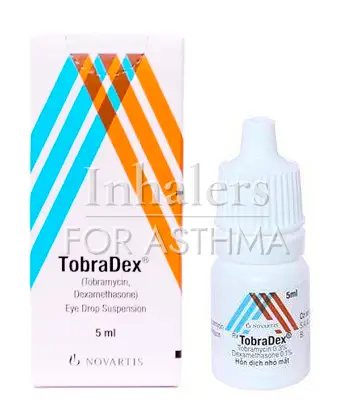
Tobradex is an eye drop medicine that combines two active ingredients: tobramycin and dexamethasone. Tobramycin is an antibiotic that helps fight bacteria in the eye. Dexamethasone is a corticosteroid that reduces inflammation, redness, and swelling. The combination is designed to treat certain eye infections and irritations that involve both infection and inflammation.
The medicine is meant for use in the eye only. It is not intended to be swallowed or injected. Tobradex may require a prescription depending on local rules, and it should be used under the supervision of a clinician who can determine if this medicine is appropriate for your condition.
Before using Tobradex, tell your healthcare professional about any allergies, current medications, or medical conditions. Some people may be more sensitive to antibiotics or steroids, and the wrong choice can worsen eye problems. Always follow the exact directions provided by your doctor or the product leaflet.
Tobramycin and dexamethasone may be used together in adults and, in some cases, in children when prescribed by a healthcare professional. The safety and effectiveness in specific age groups should be confirmed by a clinician. If you have any questions about whether Tobradex is right for you, discuss them with your pharmacist or doctor.
Keep Tobradex out of reach of children. Do not use if the bottle seal is broken. Store at room temperature away from heat or direct light unless the label instructs otherwise. If you notice any change in color or clarity of the solution, do not use the drops and contact your healthcare professional.
Tobradex is used to treat ocular (eye) conditions where inflammation and infection are present or suspected. The combination helps address both the infectious cause and the inflammatory response that can accompany eye problems. A clinician may prescribe Tobradex after an eye injury, surgery, or when symptoms suggest a bacterial infection with inflammation.
The doctor will determine whether this medicine is appropriate for your specific diagnosis. It may be used for conjunctivitis (pink eye), corneal or anterior segment infections, blepharitis (inflammation of the eyelids), or post-procedure inflammation when there is concern about infection. The goal is to relieve symptoms such as redness, swelling, discharge, and discomfort while treating the underlying infection if present.
It is important to use Tobradex exactly as prescribed. Do not use it to treat conditions other than those for which it was prescribed. If the eye condition worsens or does not improve within a few days, contact your healthcare professional for guidance. Do not switch to or from Tobradex without medical advice.
In some cases Tobradex may be prescribed for a short period after eye surgery to prevent infection and reduce inflammation. The doctor will tailor the duration of treatment to minimize the risk of adverse effects and to avoid interfering with the natural healing process. Follow-up visits may be scheduled to monitor your response to treatment.
Interim guidance from the official product leaflets and healthcare professionals emphasizes that Tobradex is not a general cure for all eye problems. If you suspect a viral or fungal infection, or if you have substantial eye pain or changes in vision, seek medical advice promptly. Always rely on the clinician’s assessment for proper management.
The medicine combines two mechanisms of action. Tobramycin works by inhibiting the growth of bacteria in the eye, helping to clear the infection. Dex a dexamethasone component reduces inflammation by dampening the body's immune response in the eye. Together, they help relieve symptoms such as redness, swelling, and irritation while addressing the cause of the eye problem when bacteria are involved.
Because it contains a steroid, Tobradex may also reduce scar formation and improve comfort during the healing process. However, steroids can affect the eye in ways that require careful monitoring. For example, prolonged use may increase eye pressure or slow healing in certain situations. Only a clinician can determine if the benefits outweigh potential risks for a given patient.
It is important to understand that Tobradex is not a pain reliever by itself, and it does not replace the need for any other prescribed therapy unless advised by a clinician. If you have questions about why Tobradex was prescribed for you, or how it works in your specific condition, discuss them with your pharmacist or doctor.
When used as directed, Tobradex aims to reduce both infection and inflammatory symptoms. If new symptoms appear or existing symptoms persist after several days of treatment, contact a healthcare professional for further evaluation. Do not attempt to self-diagnose or adjust the treatment course without professional input.
In cases of suspected contact lens use, or if you experience vision changes, report these observations to your clinician promptly. Visual disturbances may indicate that the treatment needs adjustment or that another underlying issue requires attention. Always report new or worsening symptoms to your healthcare provider.
Read the patient information leaflet that comes with your Tobradex eye drops and follow your clinician’s instructions. The steps below are general guidelines and may not apply to everyone. If you have any doubt, contact your healthcare professional before proceeding.
Before use, wash your hands thoroughly with soap and water. Ensure the bottle is clean and the dropper tip is not damaged. Do not touch the dropper tip to your eye or any surface to avoid contamination. If you wear makeup or contact lenses, discuss any potential restrictions with your clinician.
To apply the drops: tilt your head slightly back, pull down the lower eyelid to create a small pocket, and gently place one drop into the pocket. Do not squeeze multiple drops into the same eye at once unless advised by your doctor. Keep your eye closed for a moment to help absorb the medicine, and avoid blinking too much right after application.
If you are using Tobradex in both eyes, repeat the process for the other eye. If your doctor has prescribed multiple eye drops, wait a short period before applying the next one. The exact waiting time will be advised by your clinician and depends on the other products you may be using.
After applying the drop, press your finger gently at the inner corner of the eye for about one minute. This helps prevent the medicine from draining into the tear duct and improves absorption. If you notice any persistent burning, irritation, or discomfort after application, inform your doctor or pharmacist.
Unopened Tobradex should be stored as directed on the label. Once opened, follow the manufacturer’s guidance on how long the bottle remains usable. If you have any doubt about storage or stability, ask your pharmacist for clarification. Do not reuse an already opened bottle beyond its recommended shelf life.
Do not share your eye drops with others, and avoid using the bottle if the seal is broken. Do not apply the drops if you have a known allergy to tobramycin or dexamethasone, or to other aminoglycoside antibiotics unless specifically advised by your clinician. If you notice any signs of an allergic reaction, seek medical help promptly.
If you are using other eye medications, your clinician may instruct you on the correct timing. In many cases, separate the administration of different eye drops by several minutes. Always follow the sequence and timing recommended by your healthcare professional.
Tobradex may not be suitable for everyone. Individuals with a known allergy to tobramycin, dexamethasone, or any other ingredients in the product should not use Tobradex. A history of allergic reactions to antibiotics or steroids used in the eye is particularly important to disclose to a clinician.
People with certain eye conditions should use Tobradex with caution or avoid it altogether. If you have a viral eye infection such as herpes simplex keratitis, fungal infections of the eye, or certain types of eye injuries, Tobradex may not be appropriate. A clinician will assess the likely benefits and risks before recommending this medicine.
Children and teenagers may use Tobradex under medical supervision, but dosing and safety can differ from adults. Discuss weight, age, and developmental considerations with the treating clinician to determine suitability. If your child has an eye infection or inflammation, a pediatrician or pediatric ophthalmologist will guide treatment choices.
Pregnant or breastfeeding individuals should only use Tobradex if clearly indicated by a healthcare professional. The potential risks to the fetus or infant must be weighed against benefits in each case. If you are planning pregnancy or are currently pregnant, talk to your clinician before starting any new eye medication.
People with glaucoma or a history of elevated eye pressure should inform their doctor before starting Tobradex. Steroid-containing eye drops can influence eye pressure in some patients, and regular monitoring may be advised if treatment is continued.
There are several important warnings to consider when using Tobradex. The most notable are related to the corticosteroid component. Long-term or inappropriate use of steroid-containing eye drops can increase the risk of ocular infections, cataract formation, and increased eye pressure, which may affect vision.
If you have a history of eye infection, glaucoma, or cataracts, discuss the risk of continued use with your clinician. They may plan a shorter course or alternative therapies to minimize potential harm while still addressing your symptoms. Do not exceed the duration prescribed by your healthcare professional.
Be alert for signs of an adverse reaction, such as severe eye pain, redness, swelling around the eye, or a drop in vision. If you experience any of these symptoms, seek urgent medical attention. If you notice a rash, itching, or swelling at or around the eye, stop using Tobradex and contact a clinician promptly.
If you wear contact lenses, your clinician may advise you to remove them during treatment. In many cases, contact lenses should not be worn while using Tobradex, or reinserted only after a recommended waiting period. Follow the guidance given by your healthcare professional regarding lenses or other eye products during treatment.
Always use Tobradex exactly as prescribed. Do not alter the dosage or frequency without medical advice. If you have questions about when to resume normal activity, driving, or attending work after application, discuss these concerns with your clinician. Vision changes can temporarily affect activities such as driving or reading, until your eyes adjust.
Like all medicines, Tobradex can cause side effects in some people. Common effects include temporary burning, stinging, or blurred vision right after applying the drops. These sensations usually resolve quickly as your eyes adjust.
Other expected effects may include mild itching, redness, or discharge around the eye. If these symptoms persist or worsen, inform your clinician. In some cases, reductions in tear production or a change in taste may be noted temporarily after use.
Serious but less common side effects may include increased intraocular pressure, eye pain, sensitivity to light, or a noticeable change in vision. If you notice any persistent eye pain, severe visual disturbance, or signs of an allergic reaction such as swelling of the face, lips, tongue, or throat, seek urgent medical help.
Allergic reactions to the drops are possible even if you have used the medication before. If you develop widespread rash, hives, or trouble breathing, seek medical attention immediately. Do not use Tobradex again if you have had a severe reaction in the past without medical advice.
Because Tobradex contains a steroid, you should stop using it and contact a clinician if you notice symptoms suggesting a corneal or eyelid infection that does not improve with treatment. The clinician may adjust therapy or switch to an alternative treatment to avoid complications.
In children, adolescents, or people with certain eye conditions, side effects may present differently. If you have concerns about how Tobradex may affect you or your child, discuss them with a healthcare professional who can provide personalized guidance.
Always tell your doctor about all medicines you use, including over-the-counter products, vitamins, and eye drops. Drug interactions can influence effectiveness or increase the risk of side effects. This includes medications used for the eyes and systemic medicines that could interact with steroids or antibiotics.
Inform your clinician if you are using other eye drops or ointments. In many cases, you may be asked to space out the timing of different products to minimize interactions and allow for proper absorption in the eye. Do not start or stop any medication without professional advice.
Avoid wearing contact lenses during treatment unless advised otherwise by your clinician. Some eye products can interact with lens materials or affect lens comfort. If you have to continue using contact lenses, your clinician will provide specific instructions on when and how to reintroduce them safely after using Tobradex.
If you are taking systemic antibiotics or steroids for other conditions, it is important to discuss this with your healthcare professional. They can determine if any change in treatment is necessary to avoid conflicting effects in your body or eyes. Regular follow-up appointments may be arranged to monitor your response.
Pregnant or breastfeeding individuals should use Tobradex only if clearly needed and prescribed by a clinician. The potential benefits must be weighed against possible risks to the fetus or infant. If you become aware of a pregnancy during treatment, contact your doctor to review the plan of care.
Breastfeeding considerations are important because the medication could pass into breast milk in small amounts. If you are nursing or planning to nurse, discuss the potential impact with your healthcare professional. They can help determine whether Tobradex remains the best option or if an alternative should be considered.
In all cases, do not continue treatment beyond what your clinician has advised. If you have any concerns about pregnancy, breastfeeding, or future family planning, speak with your healthcare provider for personalized guidance.
Improvements in symptoms such as redness or swelling may be noticed within a few days for some people. In other cases, noticeable relief may take longer. If you do not see any improvement within a few days or if symptoms worsen, contact your clinician for evaluation. Do not adjust the treatment on your own based on how you feel.
If you forget a dose, apply it as soon as you remember, unless it is almost time for your next scheduled dose. Do not double the dose to make up for the missed one. If you are unsure what to do, contact your pharmacist or clinician for guidance.
In many cases, contact lenses should not be worn while you are receiving Tobradex. If a clinician approves lens use, follow their instructions carefully. After applying the drops, you may be advised to wait a specific period before re-inserting lenses to avoid drawing the medicine into the lens material.
In general, you should space out the use of Tobradex and other eye medicines by several minutes unless your clinician instructs otherwise. Always inform your clinician about all products you are using to avoid interactions. Do not start or stop medications on your own without professional advice.
Tobradex is not intended to treat all eye infections. It is prescribed for infections where bacteria are involved or where the combination with an anti-inflammatory has shown benefit. If your infection is viral, your clinician may choose a different treatment. Seek medical advice for an accurate diagnosis.
Contact a clinician if symptoms persist beyond a few days of treatment, worsen, or if you experience severe eye pain, changes in vision, or redness that spreads. Seek urgent medical help if you have signs of a serious allergic reaction or if you suddenly develop significant eye discomfort or swelling.
Use in children should be guided by a pediatrician or pediatric ophthalmologist. The safety and dosing may differ from adults. If a clinician has prescribed Tobradex for a child, follow their dosing and duration recommendations closely and report any unusual effects promptly.
Temporary blurred vision or changes in vision can occur after applying the drops. If vision is blurred, wait until it clears before driving or operating machinery. If blurred vision persists, contact your clinician for advice. Do not drive if you feel unsafe.
Store the bottle at the temperature recommended on the label away from heat and light. Do not use the product past its expiration date. If you have unused drops at the end of treatment, discard them according to local guidance or as advised by your pharmacist. Do not share your medication with others.
Using more drops than prescribed may increase the risk of side effects. If you suspect an overdose, contact a healthcare professional or your local poison control center for guidance. For accidental ingestion by a child, seek immediate medical attention.
There are other antibiotic and anti-inflammatory options available. If you have known allergies or sensitivities, your clinician can suggest a different treatment that addresses your infection and inflammation without triggering an allergic reaction. Do not switch medications without medical advice.
This information is intended to supplement discussions with your healthcare provider. For specific product details, you may refer to the official Tobradex labeling and the accompanying patient information leaflets. Your pharmacist can provide manufacturer-specific details and guidance tailored to your location and health status.
Always seek individualized medical advice from a clinician for diagnosis, treatment decisions, and dosing tailored to your condition. If you have questions about Tobradex, a licensed pharmacist can help interpret how this medicine fits with your overall health plan.
14–21 days. Free from $200.00 .
5–9 days. $30.00
−10% when paying with cryptocurrency.
−10% on all repeat orders.
All orders are packed in neutral, unbranded boxes with no product name on the outside.