📞  — free, 24/7
— free, 24/7 — free, 24/7Products for urinary and bladder care: UTI symptom relief and prevention aids, urine test kits, bladder-control and incontinence supplies, urinary pain relievers, and supplements such as cranberry or D-mannose to support urinary tract wellness.
Products for urinary and bladder care: UTI symptom relief and prevention aids, urine test kits, bladder-control and incontinence supplies, urinary pain relievers, and supplements such as cranberry or D-mannose to support urinary tract wellness.
Urinary Health covers medicines used to manage conditions that affect the bladder, urethra and lower urinary tract function. These treatments are intended to reduce symptoms such as frequent urges to urinate, leakage, difficulty starting or maintaining urine flow, bladder spasms and related discomfort. The category groups drugs that act on bladder muscle, urinary sphincters and the nerves that control storage and emptying, as well as agents that help relieve symptoms of prostate-related obstruction in men.
Typical situations where these medicines are used include overactive bladder and urge urinary incontinence, benign prostatic enlargement that causes urinary hesitancy or weak stream, urinary spasms after surgery or infection, and persistent urinary urgency or nocturia. Some products are used for long‑term symptom control, while others are prescribed for short courses to ease acute spasms or after medical procedures. Management of symptoms may also involve non‑drug measures alongside medication.
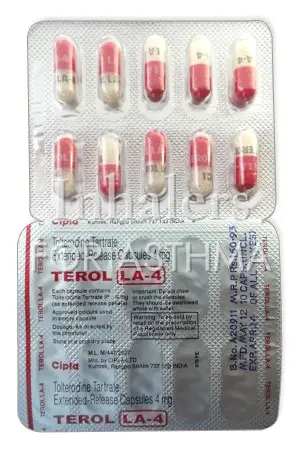
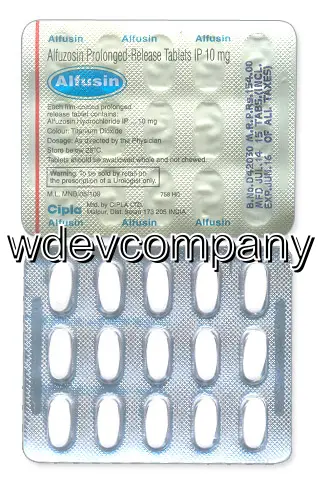
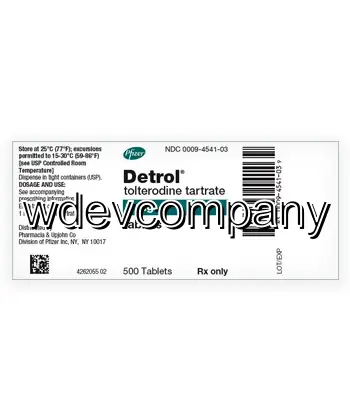
The main types of medications found in this category are antimuscarinic or anticholinergic agents that calm an overactive bladder (for example, oxybutynin and tolterodine), beta‑3 adrenergic agonists that relax bladder muscle, alpha‑blockers that relax smooth muscle in the prostate and bladder neck (such as tamsulosin, alfuzosin, terazosin and prazosin), and antispasmodics for bladder cramping. Examples commonly encountered include tolterodine (Detrol, Detrol LA), oxybutynin (Ditropan, Oxytrol patch), tamsulosin (Flomax), terazosin (Hytrin), prazosin (Minipress), alfuzosin (Uroxatral), flavoxate or similar antispasmodics (Urispas) and solifenacin (Vesicare).
Safety considerations are an important part of understanding this category. Antimuscarinic drugs can cause side effects such as dry mouth, constipation and blurred vision and may be unsuitable for people with certain conditions like narrow‑angle glaucoma or significant urinary retention. Alpha‑blockers may cause dizziness or low blood pressure, especially when standing. Drug interactions and pre‑existing health issues can influence suitability and dosing. Many of these medicines are available only by prescription and are intended to be used under clinical oversight.
When choosing a medicine for urinary symptoms, people commonly consider how well it targets their specific complaint (urgency, frequency, incontinence or weak stream), dosing schedule and formulation (immediate versus extended‑release tablets, or patches), expected onset of effect and known side‑effect profiles. Ease of use, frequency of dosing, and whether the drug can be taken with other existing medications or health conditions are often factors in selecting an appropriate option.
Effectiveness and tolerability can vary between individuals, so it is common for clinicians and patients to assess response over time and adjust treatment if necessary. Some situations are managed with a single agent, while others may involve changing formulations or combining approaches. Non‑pharmacological measures such as bladder training, pelvic floor exercises and lifestyle modifications are additional elements that can complement medication for many people with urinary health concerns.