📞  — free, 24/7
— free, 24/7 — free, 24/7| Package | Price per Dose | Price | |
|---|---|---|---|
| 360 pills | $0.65 | $274.90 $233.66 Free shipping | |
| 180 pills | $0.81 | $171.55 $145.81 | |
| 120 pills | $0.90 | $126.07 $107.16 | |
| 90 pills | $1.00 | $105.40 $89.59 | |
| 60 pills | $1.04 | $72.33 $61.48 | |
| 30 pills | $1.11 | $39.25 $33.37 | |
| 360 pills | $0.81 | $343.11 $291.64 Free shipping | |
| 180 pills | $1.05 | $223.22 $189.74 | |
| 120 pills | $1.19 | $169.48 $144.06 | |
| 90 pills | $1.37 | $144.67 $122.97 | |
| 60 pills | $1.41 | $99.20 $84.32 | |
| 30 pills | $1.56 | $55.79 $47.42 | |
| 360 pills | $1.84 | $781.33 $664.13 Free shipping | |
| 270 pills | $1.88 | $597.36 $507.76 Free shipping | |
| 180 pills | $1.93 | $409.26 $347.87 Free shipping | |
| 120 pills | $1.99 | $281.10 $238.93 Free shipping | |
| 90 pills | $2.02 | $214.95 $182.71 | |
| 60 pills | $2.13 | $150.87 $128.24 | |
| 30 pills | $2.27 | $80.59 $68.51 |
Disclaimer: This information is for patients and should not replace medical advice. Always consult your healthcare provider for personalized guidance.
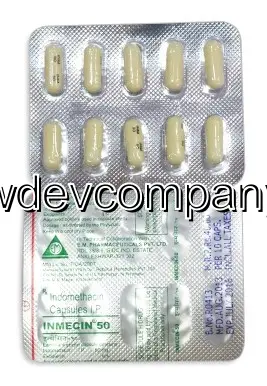
tivorbex (Indomethacin) is a nonsteroidal anti-inflammatory drug (NSAID) used to relieve pain and inflammation.
tivorbex is a brand name for indomethacin, an NSAID that reduces inflammation and pain by targeting inflammatory pathways in the body. It is prescribed when symptoms arise from inflammatory conditions or acute injuries and when rapid relief is desired under professional supervision. The medication works systemically, meaning its effects are felt throughout the body, not just at the site of pain.
Indomethacin is typically used for short-term management of inflammation and pain, often in acute settings such as flare-ups of rheumatic disease or after procedures that cause tissue inflammation. Its use requires careful consideration of risks and benefits, especially in people with preexisting stomach, kidney, or cardiovascular concerns. A clinician will tailor the approach based on your history and current health status.
As with all NSAIDs, Tivorbex can irritate the stomach lining and affect kidney function in some people. It may also interact with other medicines you take. Use Tivorbex exactly as prescribed, and discuss any prior ulcers, kidney disease, pregnancy, or heart conditions with your provider before starting therapy.
Indomethacin is approved for relief of pain and inflammation in a range of conditions, particularly those involving the joints and connective tissues. It can help alleviate the swelling, stiffness, and tenderness associated with inflammatory arthritis and related disorders. It is also used to treat acute gout flares and other inflammatory musculoskeletal conditions under medical supervision.
In clinical practice, Tivorbex may be employed for short-term management of postoperative or dental pain where inflammation contributes to discomfort. It can be chosen when a rapid anti-inflammatory effect is needed or when other analgesics are not suitable. Your clinician will decide on the appropriate duration and dosing based on the specific situation.
Because of potential safety concerns with NSAIDs, healthcare providers carefully weigh the benefits against the risks for each person. This includes evaluating age, kidney function, history of ulcers, concurrent medications, and cardiovascular risk factors.
Indomethacin reduces the production of prostaglandins, signaling molecules that promote inflammation, pain, and fever. It does this by inhibiting cyclooxygenase (COX) enzymes, primarily COX-1 and COX-2, which are responsible for converting arachidonic acid into prostaglandins.
At a cellular level, lower prostaglandin levels lead to less blood vessel dilation, edema, and nociceptor sensitization in inflamed tissues. The result is reduced swelling and decreased pain perception. The drug’s anti-inflammatory effects help restore function and comfort in affected joints and tissues.
Indomethacin’s pharmacology also carries caveats: while decreasing inflammatory mediators, it can disrupt protective prostaglandins in the stomach and kidneys. This underpins the stomach irritation, ulcer risk, and potential for kidney effects seen with NSAIDs, especially with longer use or certain health conditions.
Take Tivorbex exactly as prescribed. Do not change the dose or frequency without consulting your clinician. If you have questions about your specific regimen, contact your pharmacist or doctor for guidance.
Oral capsules should be swallowed with a full glass of water. To help minimize stomach upset, taking Tivorbex with food or milk is often advised, unless your clinician has instructed otherwise. Do not lie down for at least 30 minutes after taking the medication to reduce the chance of heartburn.
Therapy duration is individualized. Some people use Tivorbex for a brief period to control a flare, while others may require a longer course under supervision. Regular follow-up with a healthcare professional helps ensure safety and effectiveness during treatment.
Indomethacin is not appropriate for everyone. It can pose serious risks for some people, particularly those with a history of ulcers, kidney disease, certain heart problems, or known NSAID allergies. Your clinician will review your medical history before prescribing Tivorbex.
Common safety concerns include stomach irritation and ulcers, bleeding, kidney function impact, and potential cardiovascular effects with long-term use. If you notice severe stomach pain, black or tarry stools, unexplained weight gain, swelling, shortness of breath, or signs of an allergic reaction, seek medical attention promptly.
Pregnant individuals should discuss NSAID use with a clinician. In some cases, Tivorbex is not recommended during pregnancy due to potential risks to the fetus. Breastfeeding considerations should also be discussed with a healthcare professional, as small amounts may pass into breast milk.
In pregnancy, NSAIDs are generally avoided, particularly during the later stages, unless a clinician deems it essential. Indomethacin can affect fetal circulation and kidney function in the developing fetus, so risk-benefit decisions are important in this context. Plan ahead and discuss timing and alternatives with your obstetrician if you are pregnant or trying to conceive.
Breastfeeding while taking Tivorbex requires discussion with a clinician. NSAIDs can pass into breast milk in small amounts, and the potential impact on a nursing infant should be considered. If possible, a healthcare professional may suggest alternatives with a more favorable safety profile during lactation.
Always consult a healthcare professional before using Tivorbex when pregnant, planning pregnancy, or breastfeeding. Individual risk profiles vary, and professional guidance is important for safety.
Indomethacin can interact with a number of medicines. A clinician or pharmacist will review all prescriptions, over-the-counter medications, and supplements you take to minimize risk. Do not start or stop medicines without professional guidance.
Potential interactions include increased bleeding risk with anticoagulants, enhanced stomach irritation with other NSAIDs or aspirin, and altered levels of certain drugs such as lithium or methotrexate. Some medications for high blood pressure or heart failure may be affected by NSAID use, potentially altering their effectiveness.
Always inform your clinician about any herbal products or over-the-counter supplements you use, as these can also interact with Tivorbex. A pharmacist can help you assess the overall risk of combinations.
Most people tolerate Tivorbex well when used as directed, but side effects can occur. Early stomach upset or heartburn is common and often improves with food or a change in taking method under medical supervision.
Serious adverse effects require immediate medical attention. Seek help for symptoms such as persistent vomiting, severe stomach pain, black or bloody stools, chest pain, shortness of breath, swelling, severe rash, or signs of an allergic reaction such as swelling of the face or throat, severe dizziness, or hives.
Do not stop Tivorbex abruptly if you have been using it for a longer period unless advised by a clinician. A gradual plan may be necessary to manage pain while avoiding withdrawal-like symptoms or a rebound increase in inflammation.
Store Tivorbex at room temperature, away from moisture and heat. Keep the medication in its original container and out of reach of children. Do not use Tivorbex beyond the labeled expiration date.
Disposal guidelines may vary by location. Do not flush medications unless your local guidelines specify this option. If you no longer need Tivorbex, consult your pharmacist about safe disposal methods in your area. When stopping therapy, discuss with a clinician to manage pain appropriately and avoid rebound symptoms.
Coordinate Tivorbex with other therapies as prescribed. Inform other healthcare providers about Tivorbex use, especially if you are taking other pain relievers, blood pressure medications, or anticoagulants. Accurate medication reconciliation helps reduce risks and improve safety.
| Drug | Typical uses | Key cautions |
|---|---|---|
| tivorbex (indomethacin) | Inflammation and pain from arthritis, gout, soft tissue injuries | GI and kidney risks; pregnancy considerations |
| naproxen | Similar anti-inflammatory uses; often longer-acting | Bleeding risk; GI upset; kidney effects |
| ibuprofen | Common analgesic and anti-inflammatory for mild-to-moderate pain | GI upset; cardiovascular risk with long-term use |
Relief may begin within a few hours for some people, but maximum benefit can take longer. If pain persists or worsens, contact your clinician rather than increasing the dose on your own.
Take the missed dose as soon as you remember, unless it is close to the time for your next one. Do not double the dose to make up for a missed one. If you are unsure, contact your pharmacist for guidance.
Taking Tivorbex with food or milk can help reduce stomach upset. Some patients may be advised to take it with food if they have a history of ulcers or GI symptoms. Always follow your clinician’s instructions.
Alcohol can increase the risk of stomach irritation and ulcers with NSAIDs. Limiting or avoiding alcohol while on Tivorbex is generally advised, especially if you have a history of GI problems.
The duration should be the shortest possible to control symptoms. Long-term use requires careful monitoring for side effects, kidney function, and blood pressure changes. Your clinician will guide you on the appropriate timeframe.
Seek urgent care if you experience severe allergic reactions (such as swelling of the face or throat, trouble breathing), chest pain, shortness of breath, black stools, persistent vomiting, or signs of serious bleeding. Also contact a clinician if you develop new or worsening swelling or sudden weight gain.
NSAIDs are generally avoided in late pregnancy. If you are planning pregnancy or are pregnant, discuss Tivorbex with your obstetrician or pharmacist to assess risks and alternatives. Decisions are made on a case-by-case basis with professional guidance.
Yes. Interactions can affect bleeding risk, kidney function, or drug levels. Have your clinician review all prescriptions, nonprescription medicines, and supplements you use to minimize risks. Do not start or stop medicines without professional advice.
14–21 days. Free from $200.00 .
5–9 days. $30.00
−10% when paying with cryptocurrency.
−10% on all repeat orders.
All orders are packed in neutral, unbranded boxes with no product name on the outside.