📞  — free, 24/7
— free, 24/7 — free, 24/7Medications used to prevent and treat infections caused by parasites such as intestinal worms, protozoa and ectoparasites (lice, scabies). Available as oral, topical or systemic formulations for diagnosis-guided, short-term or extended therapy under healthcare guidance.
Medications used to prevent and treat infections caused by parasites such as intestinal worms, protozoa and ectoparasites (lice, scabies). Available as oral, topical or systemic formulations for diagnosis-guided, short-term or extended therapy under healthcare guidance.
Antiparasitic medicines are drugs used to treat infections caused by a variety of parasites, including microscopic protozoa and larger multicellular organisms such as roundworms, tapeworms and flukes, as well as external parasites like lice and mites. This category groups products that act against different stages of a parasite’s life cycle, either killing the organism directly or inhibiting processes it needs to survive and reproduce. These medicines can be formulated for systemic use or for local application depending on the type of infection.
Common situations that bring people to explore antiparasitics include intestinal worm infections, certain liver and blood fluke infections, protozoal illnesses of the digestive or urogenital tract, and infestations of the skin and scalp. Treatment approaches vary: some infections are treated with a single dose, others require multi-day courses, and topical agents are used for external infestations. The choice of agent depends on the parasite species, the site of infection, patient age and other health considerations.
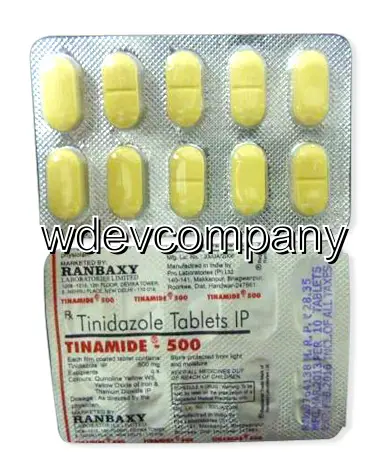
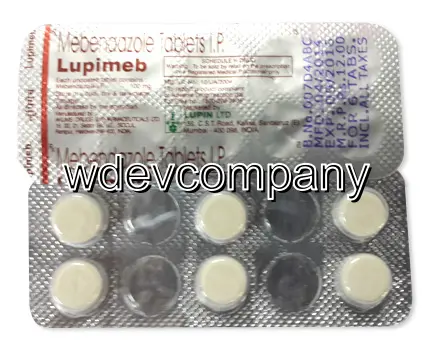
This category contains different chemical classes with distinct mechanisms of action. Benzimidazoles, such as albendazole and mebendazole, are frequently used against many intestinal worms. Praziquantel is commonly used for infections caused by tapeworms and flukes. Nitroimidazole compounds like tinidazole are effective against certain protozoa. Avermectins, exemplified by ivermectin, are used for a range of internal and external parasitic infections. Product pages typically list the active ingredient and may reference well-known trade names alongside the generic name to help users recognize formulations.
Safety considerations are an important part of choosing an antiparasitic. Adverse effects vary by medicine but can include gastrointestinal upset, headache, dizziness and, less commonly, more serious reactions. Some agents have age limits, are not recommended during pregnancy or breastfeeding, or require dose adjustments in people with liver or kidney impairment. Drug interactions can occur with other commonly used medications. Regulatory status also differs by country, with many antiparasitic treatments available only by prescription.
When comparing products in this category, users frequently look for information on the specific parasites the medicine targets, the recommended dosing schedule and treatment duration, the formulation (pill, suspension, topical lotion or cream), and any age or pregnancy-related restrictions. Other common considerations include the expected onset of symptom relief, the likelihood of common side effects and whether follow-up testing or additional preventive measures are typically advised for household contacts or to prevent reinfection.
Product listings typically present the active ingredient, indication, dosage form and duration of treatment, as well as commonly reported side effects and contraindications. Regulatory designations and whether a prescription is required are also commonly shown. This information helps shoppers identify medicines that match the diagnosed condition and their personal circumstances; detailed patient leaflets and official regulatory information provide the full specifics on use, precautions and safety for each individual product.