📞  — free, 24/7
— free, 24/7 — free, 24/7Medications and supportive products for managing gout and its symptoms, including uric acid–lowering therapies, anti‑inflammatory treatments, pain relief options, and dietary supplements. Includes guidance on dosing, interactions, and lifestyle measures to reduce flare frequency.
Medications and supportive products for managing gout and its symptoms, including uric acid–lowering therapies, anti‑inflammatory treatments, pain relief options, and dietary supplements. Includes guidance on dosing, interactions, and lifestyle measures to reduce flare frequency.
Gout is a form of inflammatory arthritis caused by build-up of uric acid crystals in joints. Medications in this category are aimed at treating painful flares, reducing inflammation during attacks, and lowering long‑term uric acid levels to prevent future episodes. The group covers drugs used for immediate symptom control as well as therapies taken over months or years to manage the underlying tendency to form crystals. Information in this category helps users recognize the different roles medicines play in controlling gout-related problems.
People commonly use these medicines in two main situations: to relieve an acute gout attack and to reduce the risk of further attacks by lowering uric acid. For sudden flares, fast-acting anti‑inflammatory options are preferred to reduce pain and swelling. For ongoing management, urate‑lowering therapies are prescribed to bring blood uric acid into a safer range and maintain it there. Some patients receive both kinds of treatment at different times, depending on whether they are managing a flare or following a long‑term prevention plan.
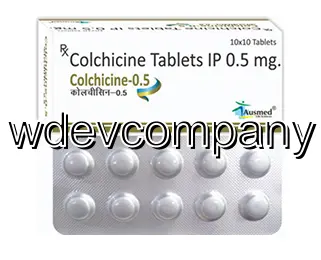
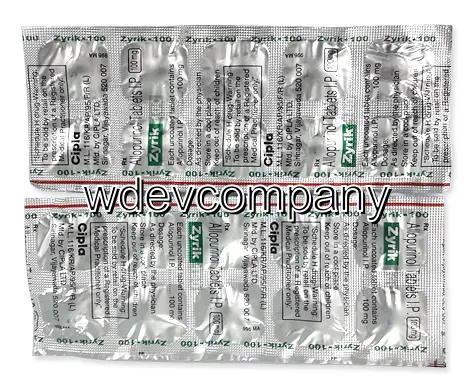
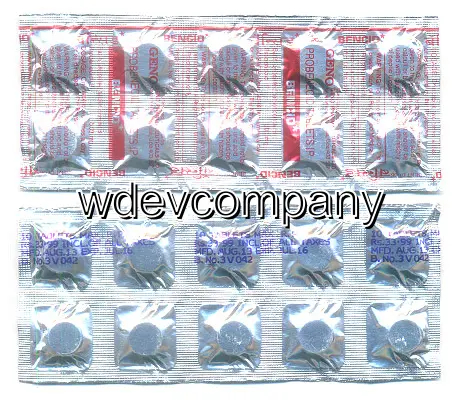
Several distinct types of medications appear in this category. Xanthine oxidase inhibitors reduce the body’s production of uric acid; a well‑known example is allopurinol (sold as Zyloprim among other names). Uricosuric agents increase renal excretion of uric acid; a commonly referenced product is probenecid (Benemid). Anti‑inflammatory therapy for acute attacks includes colchicine—available under names such as Colcrys—which acts to reduce the inflammatory response to uric acid crystals. Other anti‑inflammatory options often used in clinical practice include nonsteroidal anti‑inflammatory drugs and corticosteroids, which are mentioned here as categories rather than as specific recommendations.
Safety and tolerability are important considerations for gout medicines. Adverse effects range from gastrointestinal upset with colchicine to skin reactions or changes in liver and kidney tests with some urate‑lowering drugs. Certain medications may interact with other prescriptions or require dose adjustments when kidney or liver function is altered. Because of these factors, monitoring by a healthcare provider is commonly part of treatment: this can include periodic blood tests and review of concurrent medications. Patient history, allergies, and other medical conditions play a key role in determining which agent is appropriate.
When selecting a medicine for gout, people typically weigh several practical factors: how quickly the drug takes effect, whether it is intended for short‑term relief or long‑term prevention, safety profile, potential interactions with existing therapies, and whether the product is available in a convenient form. Cost considerations, insurance coverage, and the availability of generic alternatives can also influence choice. Clear communication with a prescriber about symptoms, other health issues, and current medications helps match the treatment approach to individual needs.