📞  — free, 24/7
— free, 24/7 — free, 24/7Medications and products for migraine management, addressing acute relief and preventive therapy. Prescription and over‑the‑counter options include triptans, pain relievers, anti‑nausea treatments, neuromodulation devices and preventive medicines for episodic or chronic migraine.
Medications and products for migraine management, addressing acute relief and preventive therapy. Prescription and over‑the‑counter options include triptans, pain relievers, anti‑nausea treatments, neuromodulation devices and preventive medicines for episodic or chronic migraine.
The "Migraine" category covers medicines that are used to treat migraine headaches and their common accompanying symptoms. These products include drugs intended to relieve pain and sensory sensitivity during an attack, agents formulated to reduce nausea and vomiting that often occur with migraine, and treatments taken regularly to reduce the frequency, duration or severity of future attacks. The selection spans short‑term, rapid‑acting therapies as well as longer‑term preventive options, offered in a range of pharmaceutical forms.
Medications in this area are commonly used in two different ways: acute treatment and preventive therapy. Acute treatments are taken at the onset of an attack to ease head pain and associated symptoms, aiming for relatively fast relief. Preventive medicines are taken on a scheduled basis to lower how often attacks occur or to blunt their intensity over weeks to months. Some people combine both approaches, using acute drugs when individual attacks arise and preventive drugs to reduce overall burden.
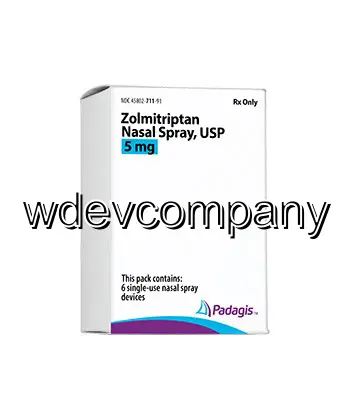
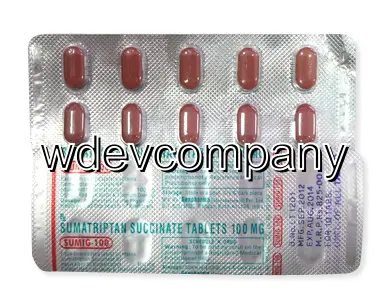
Many classes of acute migraine medicines are represented here. Over‑the‑counter analgesics such as acetaminophen and nonsteroidal anti‑inflammatory drugs (NSAIDs) like ibuprofen and naproxen are often used for milder attacks. Prescription options include triptans (for example, sumatriptan and rizatriptan), ergots and their derivatives (for example, dihydroergotamine), and newer acute agents such as ditans (lasmiditan) and gepants (ubrogepant, rimegepant). Antiemetic agents such as metoclopramide and prochlorperazine are also commonly used to control nausea that accompanies many migraines. These medicines are available in several formulations, including tablets, nasal sprays and injectable forms, to suit different onset and delivery needs.
Preventive treatments available in this category include several established oral medications and newer targeted therapies. Oral preventive options commonly used are certain beta‑blockers (propranolol, metoprolol), some antiepileptic drugs (topiramate, sodium valproate), and tricyclic antidepressants (amitriptyline). Newer preventive options include monoclonal antibodies that target the calcitonin gene‑related peptide (CGRP) pathway (erenumab, fremanezumab, galcanezumab) and oral CGRP receptor antagonists that have preventive indications in some regions. For chronic migraine, onabotulinumtoxinA (botulinum toxin) is another established preventive approach administered by healthcare professionals.
Safety profiles and potential effects differ substantially across these medicines. Common side effects reported across various agents include drowsiness, dizziness, nausea and changes in appetite or weight. Certain acute treatments can cause sensations of chest tightness or flushing; some medicines are not appropriate for people with particular cardiovascular conditions due to vasoconstrictive effects. Long‑term or very frequent use of some acute pain relievers has been associated with headache worsening sometimes described as medication‑overuse headache. Preventive drugs may carry different risks such as cognitive effects, mood changes, or teratogenic potential with specific agents, and some require monitoring during use.
When people compare migraine medicines they typically consider how quickly a medicine works and how completely it relieves pain and other symptoms, the form of administration (oral tablet, nasal spray, injection), the side‑effect profile, and whether a treatment is intended for occasional use or regular preventive dosing. Prescription status versus over‑the‑counter availability, interactions with other medications a person is taking, suitability for coexisting medical conditions, and convenience of dosing schedules are also important factors. Information on these attributes helps users identify options that align with individual needs and treatment goals without making clinical decisions on their behalf.