📞  — free, 24/7
— free, 24/7 — free, 24/7Treatments and products for prevention, management, and fracture risk reduction in osteoporosis: prescription bone-strengthening medications (bisphosphonates, denosumab, SERMs), calcium and vitamin D supplements, bone density testing aids, and mobility or fall-prevention supports.
Treatments and products for prevention, management, and fracture risk reduction in osteoporosis: prescription bone-strengthening medications (bisphosphonates, denosumab, SERMs), calcium and vitamin D supplements, bone density testing aids, and mobility or fall-prevention supports.
Osteoporosis is a medical condition characterized by reduced bone density and altered bone structure that increase the likelihood of fractures. Medications aimed at this condition are designed to slow bone loss, help restore bone strength, or supply the nutritional building blocks bones need to remain healthy. The focus is on reducing the risk of fractures in bones that commonly break, such as the hip, spine and wrist, and on improving overall skeletal resilience over time.
Typical situations in which these medicines are used include age-related bone loss, bone thinning that follows menopause, bone weakening from long-term corticosteroid use, and other medical conditions that affect bone metabolism. Treatments can be part of preventive care for people identified as at risk through bone density testing, or they can be prescribed after a fracture to reduce the chance of further breaks. Use patterns vary with the clinical goal—prevention, maintenance, or active rebuilding of bone.
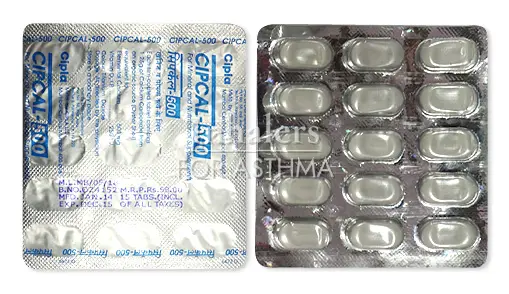
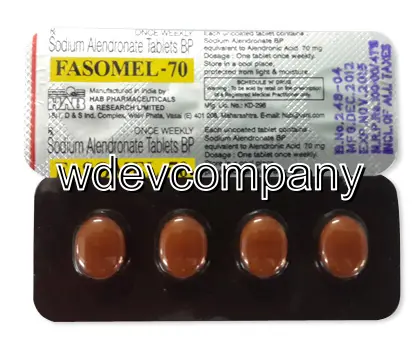
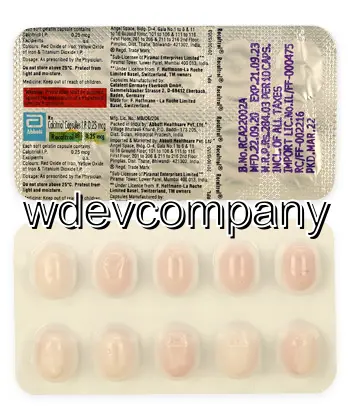
Several classes of medicines are commonly associated with osteoporosis care. Antiresorptive drugs, such as bisphosphonates, act to slow the rate at which bone is broken down; a well-known example often seen in this context is alendronate (commonly known by the trade name Fosamax). Nutritional supplements that provide calcium—calcium carbonate among them—are frequently used alongside other therapies to support bone mineralization. Vitamin D and its analogues help the body absorb and use calcium; representative products in this area include alfacalcidol (often marketed under names such as alfacip) and active vitamin D formulations like calcitriol (Rocaltrol). Other prescription options exist that work by different mechanisms, offering alternatives for people with specific needs.
Formulations and routes of administration vary across available products. Some options are oral tablets or chewable supplements taken regularly, while others are administered by injection at intervals ranging from monthly to annually, depending on the drug. Certain oral medicines have particular handling or intake characteristics that are part of how they are used safely and effectively, and some therapies are formulated to provide slower, sustained effects while others act more directly on bone formation or resorption.
Safety considerations for these medicines include common and less common side effects, potential interactions with other drugs or supplements, and the impact of underlying health conditions on choice of therapy. Gastrointestinal discomfort is a frequent concern with some oral antiresorptive drugs, and rare but serious events—reported in the context of long-term use—have been observed with certain agents. Kidney function, dental health, and concurrent medications can influence which options are appropriate and how monitoring is managed. Laboratory tests and periodic bone density assessments are often part of ongoing evaluation when someone is on an osteoporosis regimen.
When selecting a medicine for bone health, people generally look at how effective a treatment is at reducing fractures, how the medication is administered, how often it must be taken, and what side effects are most likely. Compatibility with other supplements or prescription drugs, the need for laboratory monitoring or dental assessment, and personal preferences about tablets versus injections also play a role. Considerations about long-term strategy—whether the goal is prevention, stabilization, or rebuilding of bone—often shape which products are considered and how they are used alongside calcium and vitamin D supplementation.