📞  — free, 24/7
— free, 24/7 — free, 24/7Medications and monitoring supplies for hypothyroidism and hyperthyroidism: prescription thyroid hormone replacements (levothyroxine, liothyronine, desiccated thyroid), supportive supplements and dosing tools, plus symptom-management essentials and testing supplies.
Medications and monitoring supplies for hypothyroidism and hyperthyroidism: prescription thyroid hormone replacements (levothyroxine, liothyronine, desiccated thyroid), supportive supplements and dosing tools, plus symptom-management essentials and testing supplies.
The Thyroid category covers medicines that act on the thyroid gland or replace the hormones it normally produces. The thyroid is a small gland in the neck that helps regulate metabolism through hormones commonly called T3 (triiodothyronine) and T4 (thyroxine). Medications in this category either supply synthetic thyroid hormones when the gland underproduces them, reduce thyroid activity when it overproduces hormones, or are used in specific diagnostic and preparatory settings related to thyroid disease. This grouping is focused on the pharmaceutical options used to manage common thyroid conditions rather than on surgical or purely diagnostic approaches.
Most commonly, these medicines are used to treat hypothyroidism, a condition in which the thyroid does not produce enough hormone to meet the body’s needs. Replacement therapy helps restore normal hormone levels to relieve symptoms such as fatigue, sensitivity to cold, and slowed metabolism. Other clinical uses include long-term hormone replacement after thyroid surgery, suppression therapy in certain types of thyroid nodules or cancer management, and short-term use in some diagnostic protocols. There are also agents aimed at reducing thyroid hormone production or blocking hormone release in hyperthyroid states, but replacement therapy is the dominant use in this category.
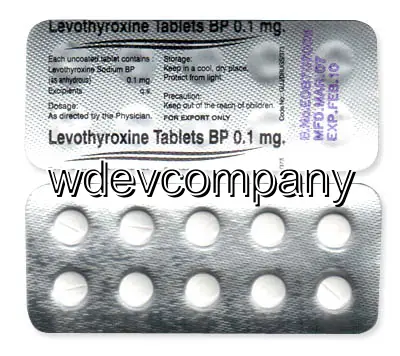
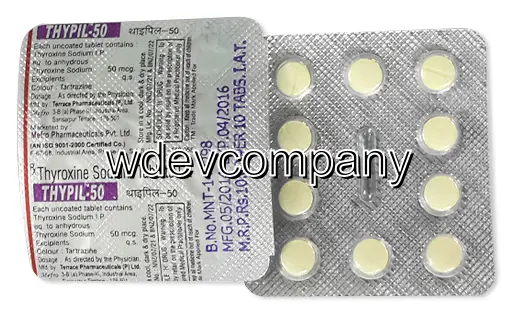
Medications found in the Thyroid category include synthetic thyroid hormones and drugs that modify thyroid function. Synthetic levothyroxine (a T4 hormone) and synthetic liothyronine (a T3 hormone) are among the most widely used options; well-known examples that are commonly encountered in pharmacies include Synthroid and Levothroid for levothyroxine and Cytomel for liothyronine. Some products combine T3 and T4, while others are clearly formulated as a single hormone type. The category may also include antithyroid agents and iodine preparations used in selected clinical situations, though the bulk of consumer demand is typically for hormone replacement formulations available in multiple strengths and dosage forms.
Safety considerations are an important part of thyroid medications because they work by altering systemic hormone levels. These medicines are generally prescription-only and are often adjusted over time to find the dose that achieves the desired laboratory and symptom response. Side effects can occur if doses are too high or too low, and individual response can vary with age, weight, other medical conditions, and concurrent medications. Some formulations are designed for steady, daily replacement while others act more quickly, which influences how they are used and monitored. Storage, accurate dosing, and awareness of potential drug interactions are practical aspects that relate to safe use.
When choosing a thyroid medicine, consumers typically look at the active ingredient, available strengths, and the formulation that best fits their treatment plan. Considerations include whether a product is a branded or generic version of levothyroxine or liothyronine, tablet size and scoring for dose adjustments, and stability or storage information. Many users also pay attention to packaging and labeling clarity, availability of different dose increments, and whether a product is provided in the specific form recommended by their healthcare provider. Because these medicines are used for ongoing management, factors such as consistent supply, accurate dosing options, and clear patient information are commonly prioritized.