📞  — free, 24/7
— free, 24/7 — free, 24/7Medications and management products for Parkinson's disease, including prescription dopaminergic agents and adjunct therapies, symptom-control medicines, mobility and dosing aids, and supportive items to address tremor, stiffness, balance, motor fluctuations, and medication timing.
Medications and management products for Parkinson's disease, including prescription dopaminergic agents and adjunct therapies, symptom-control medicines, mobility and dosing aids, and supportive items to address tremor, stiffness, balance, motor fluctuations, and medication timing.
Medications in the Parkinson's Disease category are used to manage symptoms associated with Parkinson’s, a progressive neurological disorder. They are intended to improve motor features such as tremor (shaking), bradykinesia (slowness of movement), rigidity (stiffness) and problems with balance, and some agents can also help certain non-motor issues like sleep disturbance or fatigue. These treatments affect brain chemistry related to dopamine or other neurotransmitters, and while they can substantially improve daily functioning for many people, they are not curative and are generally part of a broader care plan that may include rehabilitation and lifestyle measures.
Typical clinical situations in which these medicines are used include early symptom control when functional impact is limited, management of progressive motor impairment, and treatment of complications that arise after prolonged therapy such as fluctuations in mobility or involuntary movements. Some drugs are chosen for people who primarily have tremor, while others are favored for slowness or stiffness. Over the course of the condition, a single medication may be sufficient for a time before combinations or different classes are introduced to address changes in symptom pattern or duration of effect.
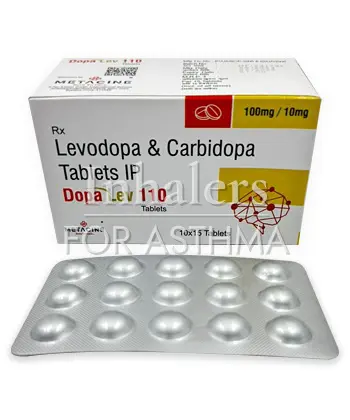
The collection covers several major classes of drugs. Levodopa formulations such as carbidopa/levodopa preparations (for example, Sinemet and Sinemet CR) remain the most effective for many motor symptoms. Dopamine agonists like pramipexole (Mirapex) and ropinirole (Requip) mimic dopamine activity and are often used in early disease or as add‑on agents. MAO‑B inhibitors such as selegiline (Eldepryl) help slow breakdown of dopamine. COMT inhibitors are used to extend the effect of levodopa and are combined in products such as Stalevo. Other agents include anticholinergics (for example, trihexyphenidyl, marketed as Artane, and procyclidine, known as Kemadrin) for predominant tremor and amantadine (Symmetrel) which can provide symptomatic benefit and influence movement side effects.
Formulations and routes of administration vary to match symptom patterns and patient needs. Immediate‑release tablets tend to act quickly but may require more frequent dosing, while controlled‑release or extended‑release forms aim to smooth the response over time; Sinemet CR is an example. Combination products that include more than one active component can simplify regimens by reducing the number of separate pills. Dosing schedules and timing relative to meals are also factors packaged into different formulations, and manufacturers provide product information detailing how a given formulation is intended to be administered.
Safety and tolerability are important considerations across this category. Side effects differ by drug class: common effects reported with dopaminergic therapies include nausea, sleepiness, low blood pressure when standing, vivid dreams or hallucinations, and involuntary movements at higher cumulative exposure. Dopamine agonists have been associated with behavioral effects such as reduced impulse control in some people. Anticholinergics can cause dry mouth, blurred vision, constipation and cognitive difficulties, particularly in older adults. Potential interactions with other medicines and the need for monitoring over time are commonly noted in prescribing information and professional guidance.
When people look for Parkinson’s medicines they typically consider how well the product controls their most troublesome symptoms, how long each dose lasts, the likely side effects, and how easy the dosing schedule will be to follow. Other practical considerations include pill size or formulation, the availability of controlled‑release or combination options, and whether a medicine is intended for short‑term symptom relief or longer‑term use. Treatment selection is individualized and shaped by factors such as symptom pattern, age, coexisting conditions and the overall goals of therapy, with adjustments made over time to balance benefit and tolerability.