📞  — free, 24/7
— free, 24/7 — free, 24/7| Package | Price per Dose | Price | |
|---|---|---|---|
| 360 pills | $0.63 | $253.77 $228.39 Free shipping | |
| 240 pills | $0.65 | $173.73 $156.36 | |
| 180 pills | $0.81 | $162.01 $145.81 | |
| 120 pills | $0.88 | $117.11 $105.40 | |
| 90 pills | $0.97 | $97.59 $87.83 | |
| 60 pills | $0.95 | $62.45 $56.21 | |
| 30 pills | $1.11 | $37.07 $33.37 | |
| 360 pills | $1.00 | $400.19 $360.17 Free shipping | |
| 240 pills | $1.09 | $290.86 $261.78 Free shipping | |
| 180 pills | $1.16 | $232.29 $209.07 Free shipping | |
| 120 pills | $1.28 | $171.78 $154.60 | |
| 90 pills | $1.37 | $136.64 $122.97 | |
| 60 pills | $1.49 | $99.54 $89.59 | |
| 30 pills | $1.67 | $56.59 $50.94 |
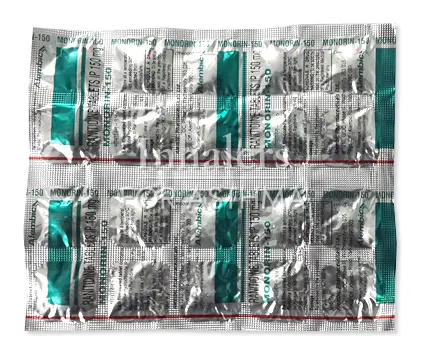
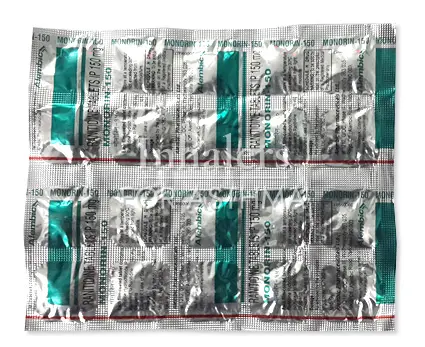
Ranitidine is a medicine in the H2 blocker class. It reduces the amount of acid the stomach makes. This helps relieve common symptoms caused by excess acid, such as heartburn, sour stomach, and occasional indigestion.
Historically it was available in tablets, chewable forms, and a liquid syrup. It could be used alone or as part of a broader treatment plan for ulcers and gastroesophageal reflux disease (GERD).
Ranitidine blocks histamine receptors in the lining of the stomach. By doing so, it lowers acid production and gives irritated tissue a chance to heal. The relief often starts within a few hours of taking the medicine.
For ongoing problems, a clinician may prescribe it on a daily schedule for several weeks or months. The exact duration depends on the diagnosis and response to treatment.
Adults commonly use ranitidine for heartburn and ulcers. Some children may receive lower doses under medical supervision. It is important to follow a healthcare provider’s directions for dose and duration.
Pregnant or breastfeeding people should consult a clinician before starting ranitidine. Newborns or people with kidney problems may require adjusted doses or alternative therapies.
In recent years ranitidine has faced recalls because of possible contamination with NDMA, a substance linked to cancer risk. Many markets restricted or stopped its sale, and some products were pulled from shelves.
Pharmacists often recommend safer or equally effective options such as famotidine or acid-reducing proton pump inhibitors. The choice depends on symptoms, medical history, and local regulatory guidance.
Most people tolerate ranitidine well. Common side effects include headaches, dizziness, constipation or diarrhea, and mild upset stomach. Less often, skin rashes or fatigue may occur.
Seek medical help if you notice swelling, severe allergic symptoms, yellowing of the skin, dark urine, or severe stomach pain. If you are pregnant, nursing, or taking other medicines, tell your clinician before starting ranitidine.
Typical adult dosing ranges from 150 mg once daily to 300 mg twice daily, depending on the condition. In some cases a higher dose is prescribed under medical supervision. Always follow the label or your clinician’s instruction.
Ranitidine can be taken with or without food. Do not extend the course beyond what is advised without a professional check, and avoid missing doses if a daily plan was prescribed.
Store tablets and dispersible forms in a cool, dry place away from light. Keep medicines out of reach of children and pets. Do not use expired products, and discard any opened liquids as directed on the label.
For the syrup, use the included dosing device to measure the correct amount. If you miss a dose, do not double up unless your clinician specifically instructs you to do so.
Ranitidine can relieve symptoms linked to acid reflux and ulcers, but safety concerns have reduced its availability in many areas. If you are considering this medicine, talk with a pharmacist or doctor to compare options and choose what fits your needs and safety profile.
14–21 days. Free from $200.00 .
5–9 days. $30.00
−10% when paying with cryptocurrency.
−10% on all repeat orders.
All orders are packed in neutral, unbranded boxes with no product name on the outside.