📞  — free, 24/7
— free, 24/7 — free, 24/7| Package | Price per Dose | Price | |
|---|---|---|---|
| 120 pills | $3.27 | $435.33 $391.79 Free shipping | |
| 90 pills | $3.43 | $343.57 $309.21 Free shipping | |
| 60 pills | $3.60 | $240.10 $216.09 Free shipping | |
| 30 pills | $3.85 | $128.83 $115.94 | |
| 20 pills | $4.11 | $91.73 $82.56 |
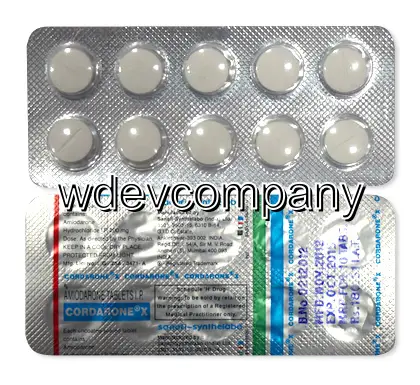
Cardarone, known generically as amiodarone, is a medication commonly prescribed in the United States to treat various types of serious irregular heart rhythms, including ventricular tachycardia and atrial fibrillation. It is often recommended when other medications have not effectively managed the condition. Due to its potency and the complexity of its use, it is typically prescribed under close medical supervision.
This medication belongs to the class of antiarrhythmic drugs. It works by affecting the electrical signals in the heart, helping to restore normal heartbeat rhythm. Cardarone is unique because it has properties of several classes of antiarrhythmic drugs, which makes it highly effective but also requires careful monitoring to minimize potential side effects. Its long half-life means it can stay in your body for weeks after stopping treatment, which is an important consideration for healthcare providers and patients alike.
In the United States, doctors usually start treatment with a loading dose of Cardarone to quickly reach effective blood levels. After that, the maintenance dose is typically lower and adjusted based on the patient’s response. It is important to take this medication exactly as prescribed, often with food to help absorption. Regular blood tests are necessary to monitor for side effects, especially because of the potential impact on the lungs, thyroid, and liver.
Patients who use Cardarone often report significant improvements in their heart rhythm. It is particularly effective for people with life-threatening arrhythmias that haven’t responded well to other treatments. Many appreciate that it can reduce the frequency and severity of arrhythmic episodes, leading to a better quality of life. In emergency situations, it can be administered intravenously to quickly stabilize the heart rhythm in hospital settings.
Despite its benefits, Cardarone carries a risk of serious side effects. Common issues include nausea, dizziness, and tremors. More severe risks involve lung damage, which can be life-threatening, thyroid problems, and liver toxicity. Because of these risks, patients on Cardarone require frequent medical follow-up, including chest X-rays, lung function tests, and blood work. Patients with a history of thyroid disease or liver issues should inform their healthcare provider before starting treatment.
Many patients in the United States report that Cardarone effectively controls their arrhythmias when other medications failed. They often note that with proper monitoring, side effects can be minimized. However, some express concern about the long-term effects and the need for regular medical checks. It’s also common for patients to discuss the importance of understanding the medication's potential risks versus its benefits, especially for those with complex health conditions.
Cardarone remains an important option for treating severe arrhythmias, but it must be used with caution. Ensuring proper dosage, regular monitoring, and open communication with healthcare providers can maximize its benefits while reducing potential harms. If you're considering Cardarone, it's vital to discuss all your medical history and current medications to ensure safe and effective treatment.
14–21 days. Free from $200.00 .
5–9 days. $30.00
−10% when paying with cryptocurrency.
−10% on all repeat orders.
All orders are packed in neutral, unbranded boxes with no product name on the outside.